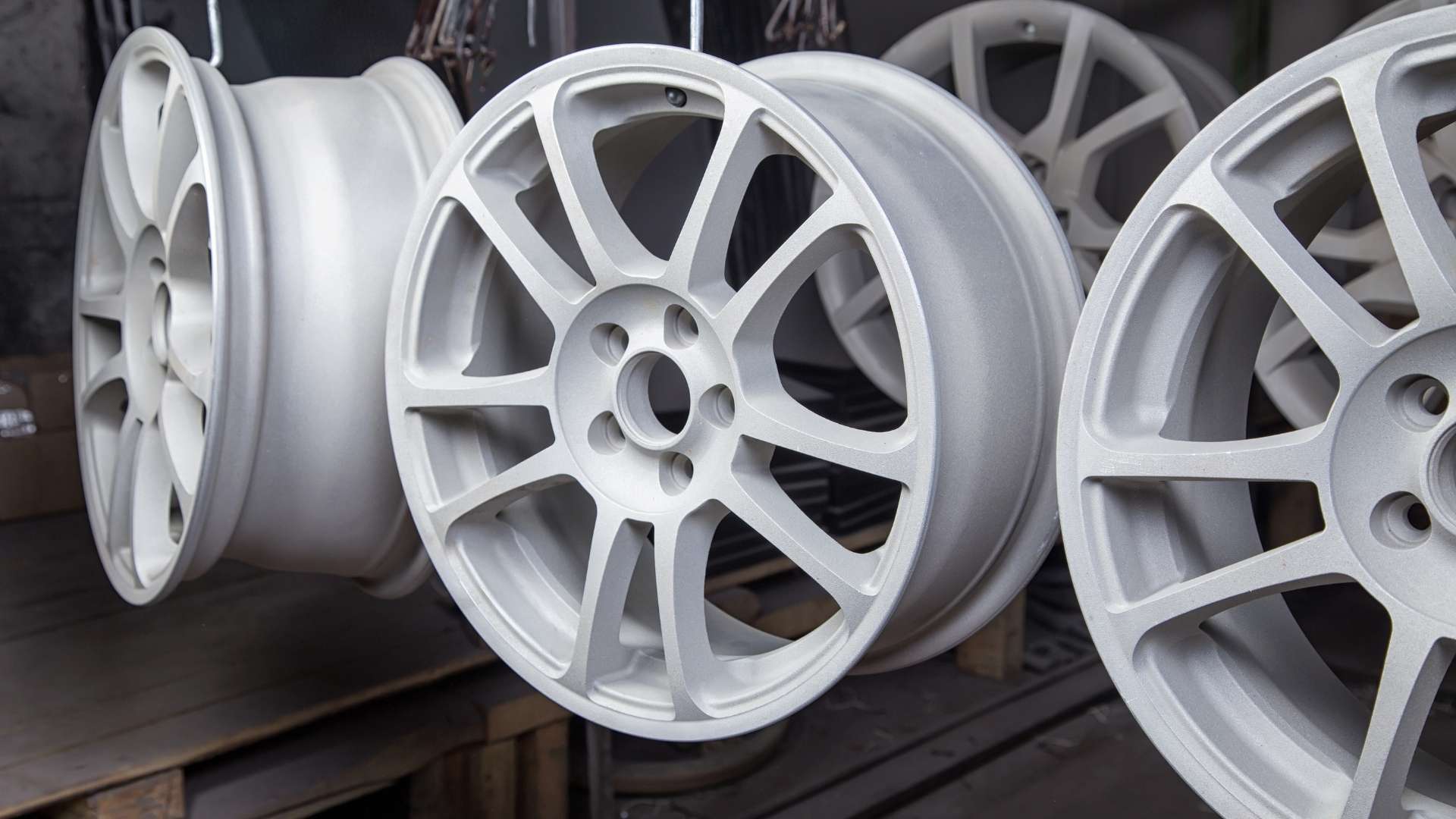
Powder coating is a proven finishing method that delivers durability, corrosion resistance, and visual appeal for metal products. Understanding how it works helps manufacturers and property owners make informed decisions about surface protection. Each stage, from evaluation through final delivery, plays a critical role in achieving a long-lasting result. Choosing experienced professionals ensures every step is handled with precision and care.
Step One: Surface Evaluation and Planning
Before sandblasting begins, technicians assess the metal type, existing coatings, and contamination that could interfere with adhesion. Careful planning at this stage determines the correct media, equipment settings, and powder formulation. Skipping evaluation can lead to premature wear and costly rework. A professional approach always begins with thorough inspection and documentation.
Step Two: Sandblasting and Abrasive Cleaning
Surface preparation is the backbone of any quality finish, and sandblasting plays a critical role. Abrasive media removes rust, mill scale, and old coatings to expose clean, bare metal. Proper blasting creates a uniform surface profile that allows the applied powder to achieve strong mechanical adhesion. Without thorough cleaning, the final coating may suffer from peeling or bubbling.
Step Three: Chemical Pretreatment
After abrasive cleaning, a chemical pretreatment stage removes residual oils and microscopic contaminants. These solutions enhance corrosion resistance by promoting better molecular bonding between the metal and the applied finish. Skipping this step can weaken adhesion and reduce the lifespan of the coating. When done correctly, pretreatment prepares the surface for flawless coverage.
Step Four: Rinsing and Drying
After pretreatment, any remaining chemicals are washed away with clean water in a carefully controlled rinse cycle. Thorough drying follows immediately, since even small amounts of trapped moisture can create surface defects during application. The drying phase is not a shortcut step; it directly affects the integrity of what comes next. Proper rinsing and drying protect the entire finish from start to finish.
Step Five: Masking and Protection
Masking is a detailed but vital part of protecting areas that must remain uncoated, such as threads, bores, and mating surfaces. High-temperature tapes and silicone plugs are commonly used to shield these features before application begins. Accurate masking keeps the work precise and prevents costly rework downstream. Attention to detail at this stage supports a smooth and efficient overall workflow.
Step Six: Powder Selection
Material selection influences every outcome because powders vary significantly in chemistry and performance. Polyester, epoxy, and hybrid formulas are chosen based on the demands of the application and the environment where the part will be used. Color, gloss level, and texture are also defined at this stage to meet both aesthetic and functional goals. Expert guidance can optimize formulation choices for indoor or outdoor use.
For more technical insight into powder technology, visit the Powder Coating Institute.
Step Seven: Electrostatic Application
Application is where the work becomes highly visible. An electrostatic spray gun charges powder particles, which then adhere evenly to the grounded metal surface. Proper gun settings and spray patterns are essential for balanced, uniform coverage. Skilled technicians monitor the process continuously to prevent thin spots or excess buildup.
Step Eight: Coverage Inspection
Before curing begins, visual and thickness checks confirm that coverage meets specifications. Inspectors evaluate film build to ensure the coating will perform as intended under real-world conditions. Catching issues at this stage saves both time and materials. A disciplined inspection routine is one of the most effective quality controls in the entire workflow.
Step Nine: Transfer to the Curing Oven
Once coated, parts move carefully into the oven for heat curing. Temperature control is central to this phase, as the oven must reach and maintain the precise heat profile required to activate the powder chemistry. Uneven heating can reduce finish durability and compromise adhesion. Controlled transfer procedures keep results consistent and reliable.
Step Ten: The Curing Cycle
Curing transforms loose powder particles into a continuous, protective film. During this stage, heat melts and cross-links the particles into a tough, unified coating. Time and temperature are precisely monitored to complete the cycle correctly. Insufficient curing shortens service life; when done right, the result is a resilient finish that outperforms conventional liquid paint.
Step Eleven: Cooling and Handling
After curing, controlled cooling protects the integrity of the newly formed finish. Sudden temperature changes can stress the coating and affect its long-term durability. Allowing adequate cooling time ensures optimal hardness before parts are moved or packaged. Careful handling techniques at this stage prevent scratches that could compromise the final result.
Step Twelve: Final Inspection
Quality assurance concludes with a comprehensive review of adhesion, appearance, gloss readings, and thickness measurements. This final check confirms that all specifications and client requirements have been met. Any imperfections identified here guide improvements to future runs. Thorough inspection reinforces confidence in every finished part that leaves the facility.
Step Thirteen: Performance Testing
Advanced facilities conduct additional testing to verify real-world durability. Salt spray and impact resistance evaluations measure how well the finish withstands harsh environments. Data gathered during testing helps refine formulations and process parameters for future projects. Ongoing analysis keeps the work aligned with evolving industry standards and customer expectations.
Step Fourteen: Packaging and Delivery
Even after the finish is complete, careless transport can compromise the result. Protective wrapping preserves the surface during shipment, while clear labeling ensures each completed part reaches the correct destination. Packaging is the final protective measure in a long chain of quality-focused steps. Attention to logistics safeguards the investment made throughout the entire finishing process.
Benefits of Professional Powder Coating
A well-managed finishing operation delivers superior corrosion resistance and durability compared to liquid paint. The applied film tends to be thicker and more uniform, providing better edge-to-edge coverage on complex geometries. Environmental advantages also stand out: the process releases minimal volatile organic compounds, making it a more sustainable choice. Over time, the efficiency and longevity gains make it highly cost-effective.
Common Challenges Without Proper Oversight
Even advanced operations encounter challenges when oversight lapses. Contamination is a frequent threat and must be controlled at every stage. Equipment calibration errors can affect finish quality and adhesion uniformity. Inconsistent curing temperatures reduce adhesion strength and shorten service life. Proactive maintenance and process monitoring protect against these avoidable setbacks.
Why Experience Matters
Experienced technicians anticipate the variables that influence outcomes and know how to adjust accordingly. Established workflows minimize waste and keep production on schedule. Ongoing training incorporates new techniques, materials, and industry standards into everyday practice. Choosing a provider with a proven track record ensures that demanding expectations are consistently met.
Partner With Experts for Your Next Project
Selecting the right team determines success from the first surface evaluation through final delivery. Professional oversight ensures every stage is executed with precision and care. Reliable communication keeps projects on schedule and within budget. When quality matters, a dedicated provider makes all the difference. If you are ready to start your next project, contact Liberty Powder Coating today and speak with one of our specialists who understands every detail of this process.
